Jump to main content or area navigation.

Contact Us

EPA Response to Enbridge Spill in Michigan

Cleanup by the numbers

  • 1,139,569 gallons of oil collected
  • 15.7 million gallons of oil/water collected and disposed
  • 158,435 cubic yards soil/debris disposed
  • 466 personnel on site
  • $36.7 million costs to date

Updated: November 14, 2011

Response History

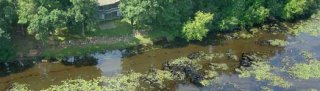
Enbridge Energy Partners LLP (Enbridge) reported a 30-inch pipeline ruptured on Monday, July 26, 2010, near Marshall, Michigan. The release, estimated at 819,000 gallons, entered Talmadge Creek and flowed into the Kalamazoo River, a Lake Michigan tributary. Heavy rains caused the river to overtop existing dams and carried oil 30 miles downstream on the Kalamazoo River.

As the federal agency in charge of the response to the spill, EPA assumed a leadership role in the Unified Command and mobilized an Incident Management Team made up of federal, state and local agencies.

On July 27, the day after the spill was reported, EPA issued a legal order under the authority of the Clean Water Act directing Enbridge to conduct removal actions. EPA also ordered the company to produce documents and information relevant to EPA's investigation into the source, extent and nature of the oil spill.

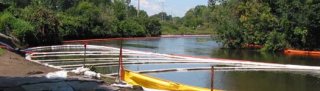
On July 28, 2010, the spill was contained approximately 80 river miles from Lake Michigan.

Kalamazoo River Submerged Oil Locations

Click to enlarge map

Submerged Oil Recovery Suspended for Season, Other Work to Continue During Winter

NOVEMBER 2011 - Submerged oil recovery work has been suspended for the winter due to low water and sediment temperatures. However, work will continue throughout the winter of 2011-2012 and will be focused on:

  • Excavation of oil-contaminated soil and weathered oil from the overbank areas,
  • Construction of oiled-sediment collection areas, and
  • Scientific studies to guide resumption of submerged oil recovery during spring/summer 2012.

As of Oct. 31, 2011, more than 1,139,000 gallons of oil are estimated to have been contained in the contaminated waste streams generated by cleanup work. These waste streams include oily water, soil, sediment, and debris.

EPA, working with state and local agencies, has directed Enbridge's oil recovery efforts since July 26, 2010, when a pipeline rupture near Marshall, Michigan, caused the largest inland oil spill in Midwest history. Government efforts ultimately prevented the oil spill from reaching Lake Michigan.

At the height of the response activities in September 2010, more than 2,500 EPA, state, local and Enbridge personnel and contractors were working along 35 miles of impacted river and shoreline. EPA continues to lead the effort and more than 400 people will continue to work on the cleanup over the winter.

Enbridge will be required to repay the government for all response costs.

Photo Gallery

See some of the latest photos from the cleanup

Contact Us

Comments or questions

Media Inquiries

Contractor Information

Jump to main content.